
Cool air and heated rooms – what happens to the skin barrier now
It’s cold outside and the heating is on indoors—and suddenly your skin feels rough, dry, or tight? The shift between winter air and heated rooms can alter how your skin feels. This doesn't automatically mean your skin barrier is damaged. However, it is worth paying attention to your skin's signals and adjusting your skincare routine slightly if necessary.

What the skin barrier does for your skin
The outermost layer of the skin helps retain moisture and shield against external factors. Simply put, it can be compared to a wall: skin cells form the "bricks," while the skin's own lipids—or fats—bind them together like mortar. When the skin is well-nourished, it generally feels supple and comfortable.
Cold temperatures and dry air can put this balance to the test. The skin may temporarily appear drier or react more sensitively to friction and skincare products. A feeling of tightness, rough patches, or visible flaking can be signs of dryness, though they do not constitute a diagnosis on their own.
Why winter air and indoor heating can stress the skin
Cold outdoor air often contains less moisture than warm air. When this air is heated indoors without adding moisture to the room, the relative humidity drops. In dry conditions, water evaporates more easily from the skin's surface. Experts refer to this type of water loss as transepidermal water loss.
How noticeably this affects you varies from person to person. Skin that is already prone to dryness or sensitivity may react more intensely. Other daily habits also play a role: taking very hot showers, rubbing the skin vigorously, frequent exfoliation, or introducing several new skincare products at once can place additional stress on the skin. Usually, it is not a single temperature change that is the decisive factor, but rather the interplay between the indoor climate, your skincare routine, and the condition of your skin.
Discover Skincare
If you would like to supplement your routine, these skincare options from Dr. Rimpler are worth a look. The right skincare for you depends on your skin type and your current skincare needs:
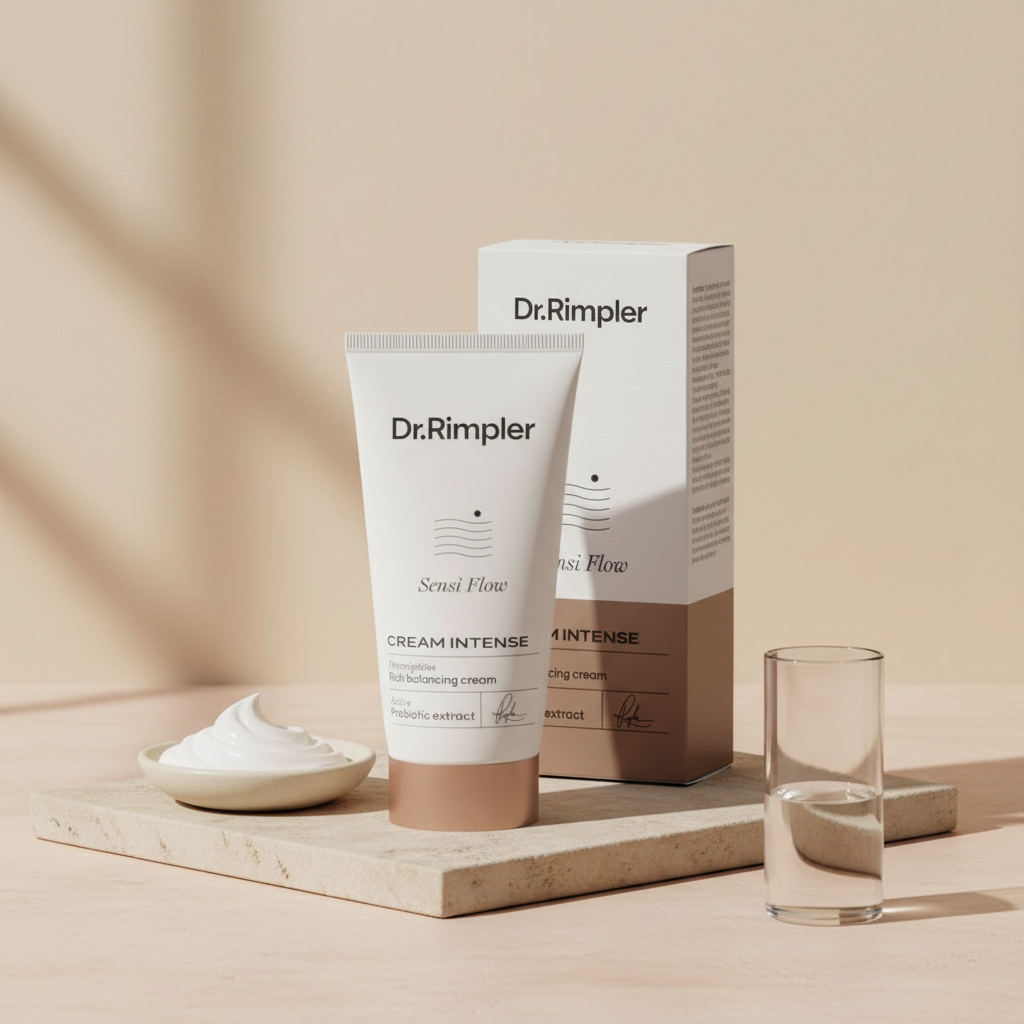
Sensi Flow CREAM INTENSE
Discover Cream Intense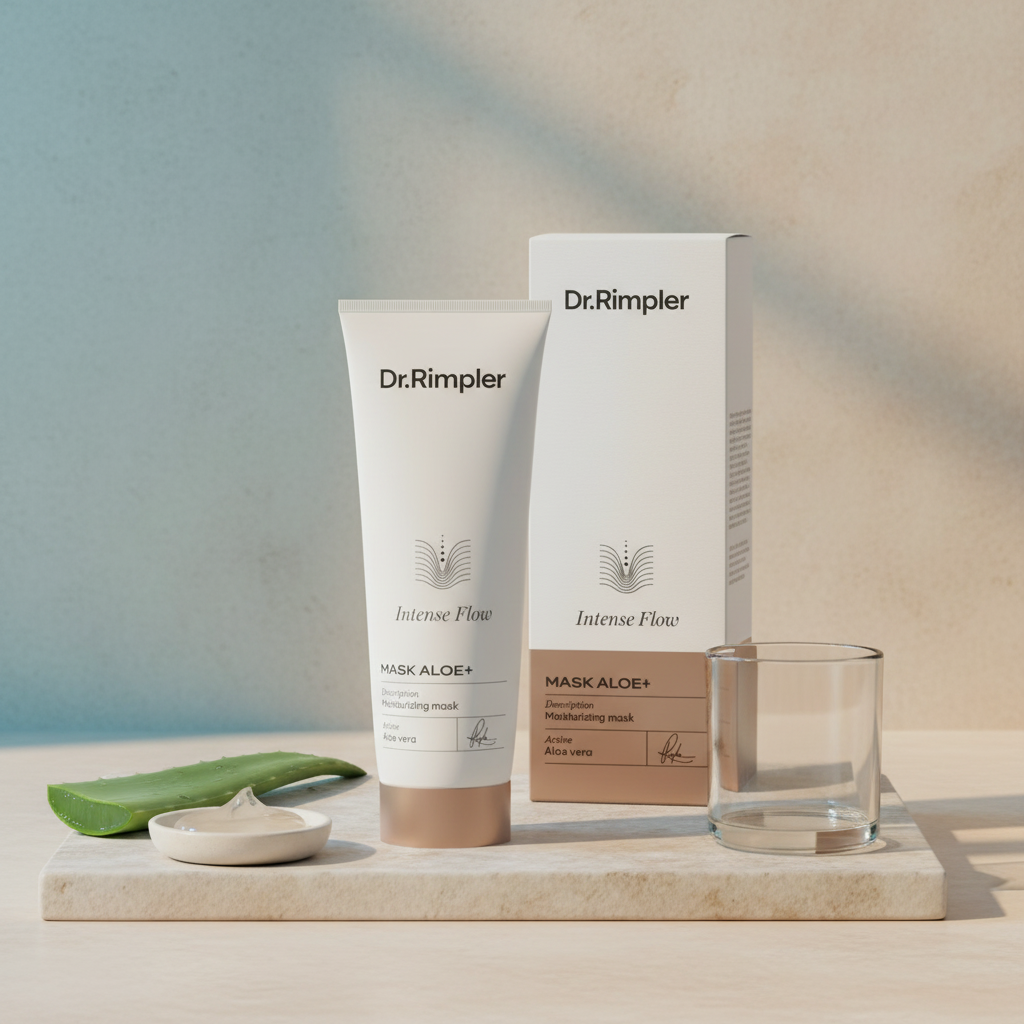
Intense Flow Mask Aloe+
Discover Mask Aloe+
What can benefit your skin in winter
- Cleanse gently: Use lukewarm rather than hot water and a mild cleanser that feels pleasant on your skin.
- Moisturize immediately after: Apply a suitable moisturizer to slightly damp skin after washing. This helps maintain that comfortable, post-cleansing feeling.
- Keep your routine simple: If your skin looks dry or irritated, pause any unnecessary exfoliation and avoid introducing new products all at once.
- Protect yourself outdoors: Scarves and clothing can shield your skin from direct wind and cold. Make sure rough fabrics don't rub uncomfortably against sensitive skin.
- Consider your indoor environment: Regular airing out and a pleasant indoor climate benefit your overall well-being. If you use a humidifier, keep it clean and follow the device's maintenance instructions.
Conclusion: Less irritation, the right care
Cool outdoor air and dry air from heating systems can make your skin feel drier or tighter in winter. Gentle cleansing, a moisturizer suited to your skin's needs, and a simple routine are a great place to start. Observe what benefits your skin—it doesn't necessarily need more products, but rather a suitable and consistent skincare routine.
If symptoms persist or are severe, or if you notice significant itching, redness, or cracked areas, have your skin examined by a medical professional.
Frequently Asked Questions About the Skin Barrier in Winter
Why does skin often feel drier in winter?
Cold outdoor air often contains less moisture. When this air is heated indoors, relative humidity can drop. This allows water to evaporate more easily from the skin's surface, which can make the skin feel dry or tight.
Does air from heating systems damage the skin barrier?
Dry air from heating systems can increase moisture loss through the skin and intensify feelings of dryness. However, this does not automatically mean the skin barrier is damaged. The severity of the skin's reaction depends on its individual condition and your skincare routine.
What kind of skincare helps with dry skin in winter?
Cleanse your skin gently using lukewarm water. Follow up with a moisturizer suited to your skin type and needs. If your skin is sensitive, keep your routine simple and introduce new products gradually.
Should I avoid using exfoliants in winter?
Not necessarily. If your skin is dry, irritated, or more sensitive than usual, it may be advisable to use exfoliants less frequently or to pause their use temporarily. Pay attention to how your skin tolerates the product and follow the usage instructions.
When should I see a doctor about dry or irritated skin?
If symptoms are severe, persist for a long time, or are accompanied by significant itching, redness, inflammation, or cracked skin, have your skin examined by a medical professional.
