Hollyhock in Skincare: A Plant-Based Active Ingredient for Nourished, Supple Skin
The hollyhock (*Alcea rosea*) is more than just a characteristic ornamental plant found in traditional cottage gardens. Its blossoms contain interesting plant compounds that make it valuable for cosmetic formulations. Its mucilaginous substances, in particular, play a key role. Hollyhock extracts are used in skincare products to nourish the skin and promote a pleasantly soft, supple feel.
But what exactly is the hollyhock, what compounds does it contain, and why is hollyhock extract used in cosmetics?
What Is the Hollyhock?
The common hollyhock bears the botanical name *Alcea rosea* and belongs to the mallow family (Malvaceae). It is also known by names such as garden hollyhock or common mallow.
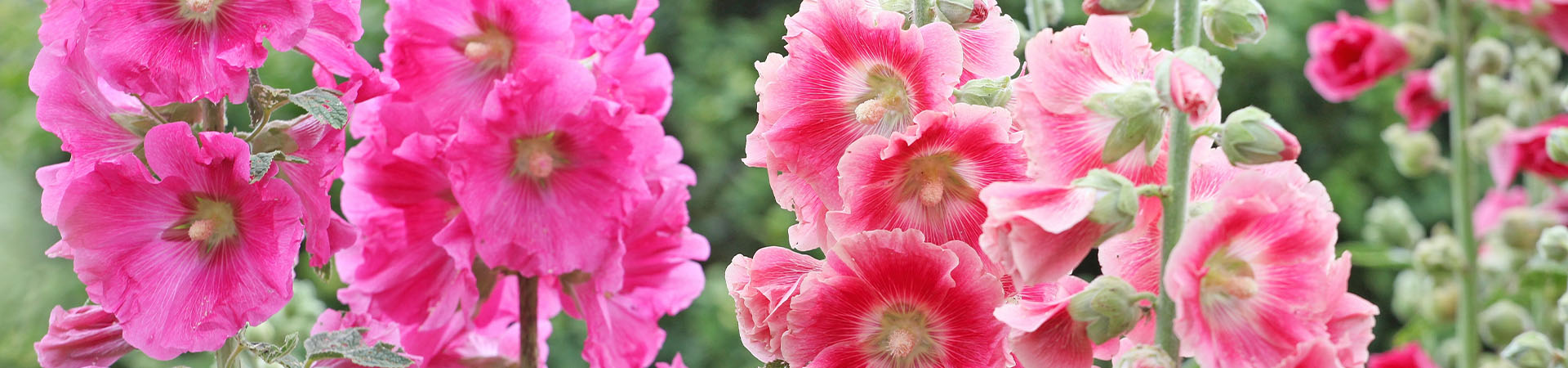
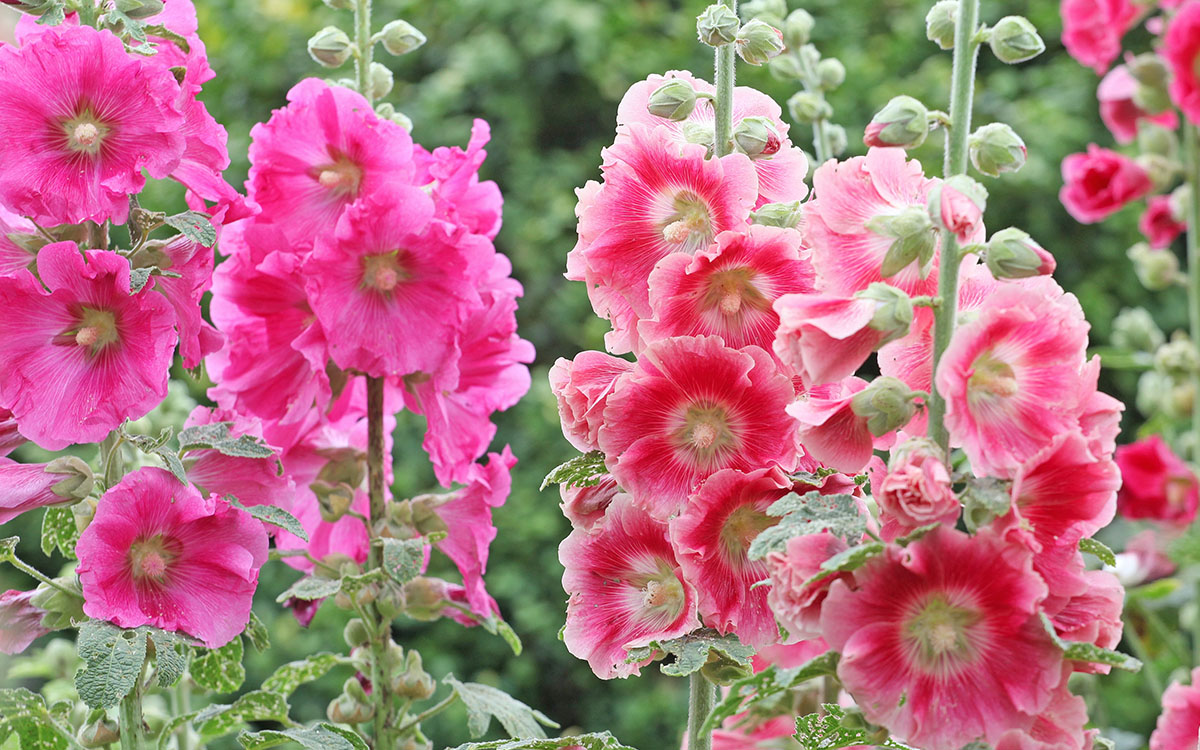
The plant is characterized by its tall flower stalks and large blossoms; depending on the variety, the color spectrum ranges from white and pink to red and dark violet.
Extracts derived from the blossoms are of particular interest for cosmetic use. In INCI lists, for example, the designation *ALTHAEA ROSEA FLOWER EXTRACT* may appear. This plant extract is classified as a skin-conditioning cosmetic ingredient.
What Compounds Does the Hollyhock Contain?
Hollyhock blossoms are characterized primarily by their content of mucilaginous substances—specifically, mucilaginous polysaccharides. These consist predominantly of high-molecular-weight polysaccharides.
In addition, the plant contains substances such as anthocyanins, flavonoids, and tannins.
It is precisely the mucilages that make plants of the mallow family interesting for cosmetic applications. They have a strong affinity for water and can therefore play a significant role, particularly in formulations for dry skin requiring care.
How does hollyhock work in skincare?
Hollyhock extract is primarily used in cosmetics for its skin-conditioning properties. Depending on the specific extract and formulation used, this botanical ingredient can complement various skincare approaches.
1. Supports hydration
The mucilages found in hollyhock are capable of absorbing and binding water. This property is particularly valuable in cosmetic formulations designed to promote a nourished, supple skin feel.
Consequently, hollyhock extracts are excellent ingredients for skincare products that focus on hydration and skin comfort.
2. For dry skin and skin in need of care
Dry skin often feels rough, brittle, or tight. Skin-conditioning plant extracts can help improve the skin's feel and make it appear more supple.
Hollyhock is therefore particularly interesting for skincare formulations tailored to dry, dehydrated, or demanding skin.
3. Promotes a supple skin feel
An important aspect of modern skincare is not just supplying the skin with lipids or moisture, but also the immediate sensation on the skin after application.
As a skin-conditioning ingredient, hollyhock extract can help the skin feel soft and pleasantly nourished. This allows the plant extract to be combined, for example, with classic moisturizers or ingredients that strengthen the skin barrier.
4. Plant compounds complement cosmetic properties
In addition to mucilages, the hollyhock contains other secondary plant compounds such as anthocyanins and flavonoids. Anthocyanins, in particular, are responsible for the intense coloration of dark hollyhock blossoms.
However, the specific effect of a hollyhock extract always depends on factors such as the part of the plant used, the extraction method, the concentration, and the overall cosmetic formulation. Therefore, the properties of individual plant components should not automatically be equated with the clinically proven efficacy of a finished cosmetic product.
For which skin type is hollyhock extract suitable?
In principle, hollyhock can be used in a variety of skincare products. Due to its skin-conditioning properties, it is of particular interest for:
- dry skin
- dehydrated skin
- demanding skin
- skin that feels rough or tight
- skincare regimens prioritizing hydration and suppleness
However, the overall formulation is always the decisive factor in determining a product's suitability. A single active ingredient does not solely determine which skin type a cream, serum, or mask is suitable for.
Hollyhock and Marshmallow – are they the same?
Hollyhock and Marshmallow are related but botanically distinct. Both belong to the mallow family (Malvaceae) and are known for their mucilage content.
Botanically, hollyhock is nowadays usually referred to as *Alcea rosea*. However, in the context of cosmetic ingredients, the name *Althaea rosea* is also encountered. Marshmallow, on the other hand, bears the botanical name *Althaea officinalis*.
Therefore, when looking at the INCI list of a cosmetic product, one should always pay attention to the specific name of the plant extract used.
In which cosmetic products can hollyhock be used?
In principle, hollyhock extract can be used in a variety of cosmetic formulations. Examples include:
- Creams and emulsions: As a plant-based addition to moisturizing and skin-conditioning formulations.
- Serums: In combination with other moisture-focused active ingredients.
- Masks: Particularly interesting for skincare concepts aimed at achieving a soft, supple skin feel.
- Care for dry skin: The combination of plant extract and other moisturizing or lipid-based components can complement a comprehensive skincare routine.
Hollyhock in cosmetics – a summary of key points
The hollyhock (*Alcea rosea*) belongs to the mallow family and is notable particularly for its mucilage content. In addition, the plant contains substances such as anthocyanins, flavonoids, and tannins.
In cosmetic products, hollyhock extract is primarily used as a skin-conditioning ingredient. Thanks to the properties of its mucilage, the plant is of particular interest for skincare concepts that prioritize hydration, suppleness, and a pleasant skin feel.
In this way, the hollyhock bridges traditional herbal knowledge and modern cosmetic skincare—serving as a versatile plant-based ingredient for skin that looks well-cared-for and feels supple.
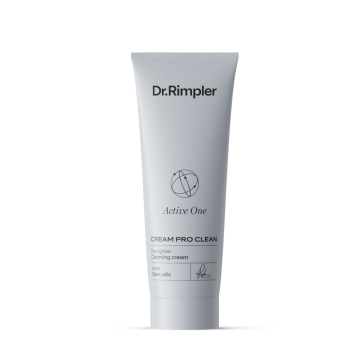
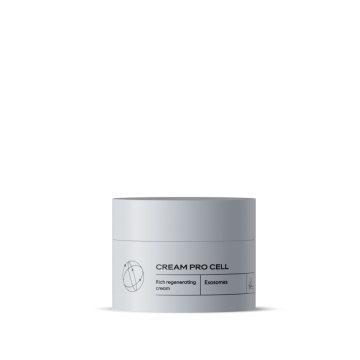
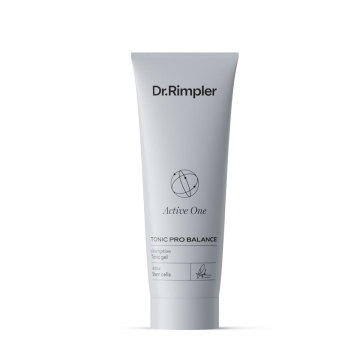
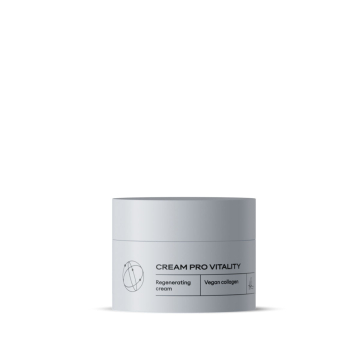
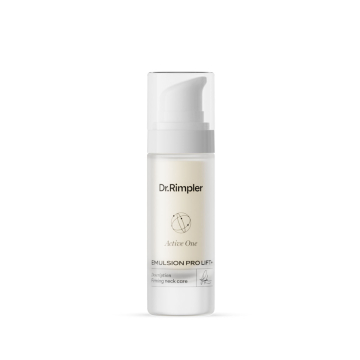
Our product recommendation for hollyhocks
Häufige Fragen zur Stockrose in der Hautpflege
The hollyhock (Alcea rosea) is a plant belonging to the mallow family. Extracts from its flowers can be used in cosmetics as plant-based, skin-conditioning ingredients.
Hollyhock extract is primarily used for its skin-conditioning properties. The plant contains, among other things, mucilages that are of interest for moisture-focused skincare formulations due to their water-binding properties.
Hollyhock extract is particularly well-suited for skincare regimens designed for dry and dehydrated skin. However, the overall formulation of the cosmetic product is always the decisive factor regarding its actual skincare efficacy.
Hollyhock flowers contain, in particular, mucilaginous polysaccharides. In addition, substances such as anthocyanins, flavonoids, and tannins are present.
No. Although the hollyhock (Alcea rosea) and the marsh-mallow (Althaea officinalis) both belong to the mallow family and contain mucilage, they are distinct plant species.
Depending on the raw material used, ALTHAEA ROSEA FLOWER EXTRACT, for example, may appear in the INCI declaration. This term refers to an extract from the flowers of the hollyhock.